
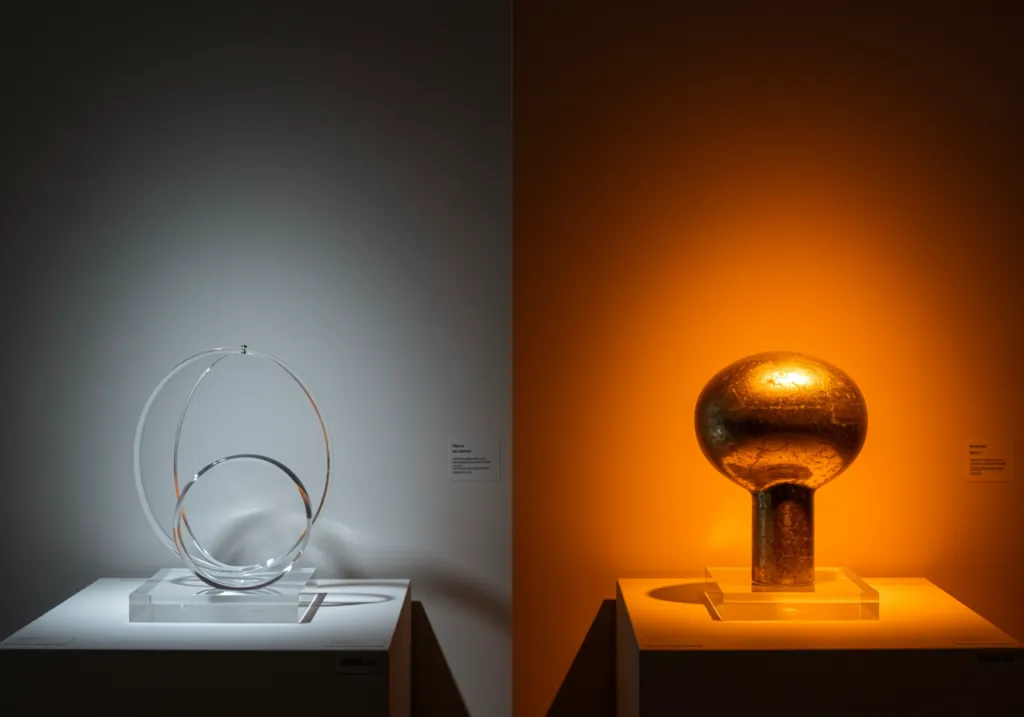
Material choice should follow the job. Acrylic is useful for clear displays, signs, covers and fabricated products, but glass, polycarbonate, PVC or another material may be better where heat, impact, weight or cost is the deciding factor.
Where Acrylic Works Well
Acrylic, commonly known as Plexiglass or Perspex, is a transparent thermoplastic that offers clarity, durability, and versatility. It is widely used in industries ranging from construction and advertising to home décor and manufacturing. While many alternatives exist, acrylic remains a preferred choice for a variety of reasons.
What Materials Are Better Than Acrylic?
While acrylic has many benefits, other materials may be better depending on the application. Here’s how some common alternatives compare:
- Glass: Offers superior scratch resistance and a more premium feel but is heavier, more expensive, and fragile.
- Polycarbonate: Stronger and more impact-resistant than acrylic, but it is also more expensive and prone to yellowing over time.
- PVC (Polyvinyl Chloride): More flexible than acrylic but lacks optical clarity and can be difficult to work with in certain applications.
- Standard Plastic (Polyethylene, Polypropylene): Cheaper than acrylic but usually less durable and not as visually appealing.
What Are the Advantages of Using Acrylic?
Acrylic is one of the most versatile materials available today. Here’s why it remains a popular choice:
1. Exceptional Clarity & Aesthetic Appeal
Acrylic offers up to 92% light transmission, making it clearer than regular glass. It doesn’t yellow over time and provides a crystal-clear, polished look, making it ideal for displays, windows, and decorative elements.
2. Lightweight Yet Durable
Despite being 50% lighter than glass, acrylic is incredibly strong. It is 10 times more impact-resistant than regular glass, reducing the risk of breakage. This makes it a safer choice in environments where safety is a priority.
3. Weather & UV Resistance
Acrylic is highly resistant to UV rays and weather conditions, making it perfect for outdoor signage, skylights, and protective barriers. Unlike some plastics, acrylic does not become brittle under sun exposure.
4. Easy to Cut, Shape & Customize
Acrylic is easier to cut and mold compared to glass or polycarbonate. It can be laser-cut, drilled, thermoformed, or CNC-machined to fit custom designs, making it perfect for creative projects.
5. Cost-Effective Solution
Compared to glass or polycarbonate, acrylic is a more affordable option while still offering excellent durability and visual appeal. This makes it a great choice for businesses looking to balance cost and quality.
Which Is Better: Plastic or Acrylic?
While acrylic itself is a type of plastic, it is often considered superior to standard plastics like polyethylene or polypropylene. Unlike regular plastic, acrylic is stronger, has better optical clarity, and is more resistant to scratches. While some plastics may be cheaper, they don’t offer the same durability or polished finish as acrylic.
If you're looking for a material that combines strength, elegance, and customization options, acrylic is a better choice than standard plastic.
Is Acrylic a Good Quality Material?
Absolutely! Acrylic is widely used in industries that demand well-specified materials, including retail displays, automotive components, and even medical equipment. Its resistance to impact, clarity, and ease of maintenance make it a premium material that rivals glass and polycarbonate in many applications.
Why Do People Prefer Acrylic?
There are several reasons why acrylic remains a preferred choice:
- Versatility – It can be used for everything from signs and displays to furniture and protective barriers.
- Ease of Maintenance – Acrylic surfaces are easy to clean with just soap and water, unlike glass, which requires specialized cleaning.
- Modern Aesthetic – Acrylic gives a sleek, contemporary look that enhances product displays and interiors.
- Sustainability – Many manufacturers now offer recyclable acrylic options, making it an eco-friendly choice compared to some plastics.
When Acrylic Is the Right Fit
The choice between acrylic and other materials ultimately depends on your specific needs. If you require clarity, durability, lightweight properties, and affordability, acrylic is a top choice. However, if you need extra strength, polycarbonate might be better, while glass remains the preferred option for scratch resistance and luxury aesthetics.
For businesses and individuals looking for a cost-effective, stylish, and durable material, acrylic remains one of the best options available. Whether you need custom acrylic signage, displays, or protective shields, it’s a material that offers the perfect balance of functionality and aesthetics.
Planning custom acrylic solutions? Contact Acrylic Gallery Plus today to find the perfect design for your project!